Hot Tub Removal Colorado Springs: Complete Guide from Drainage to Hauling
Discover the steps for safe hot tub removal in Colorado Springs—from draining to hauling. Expert advice for a smooth project.
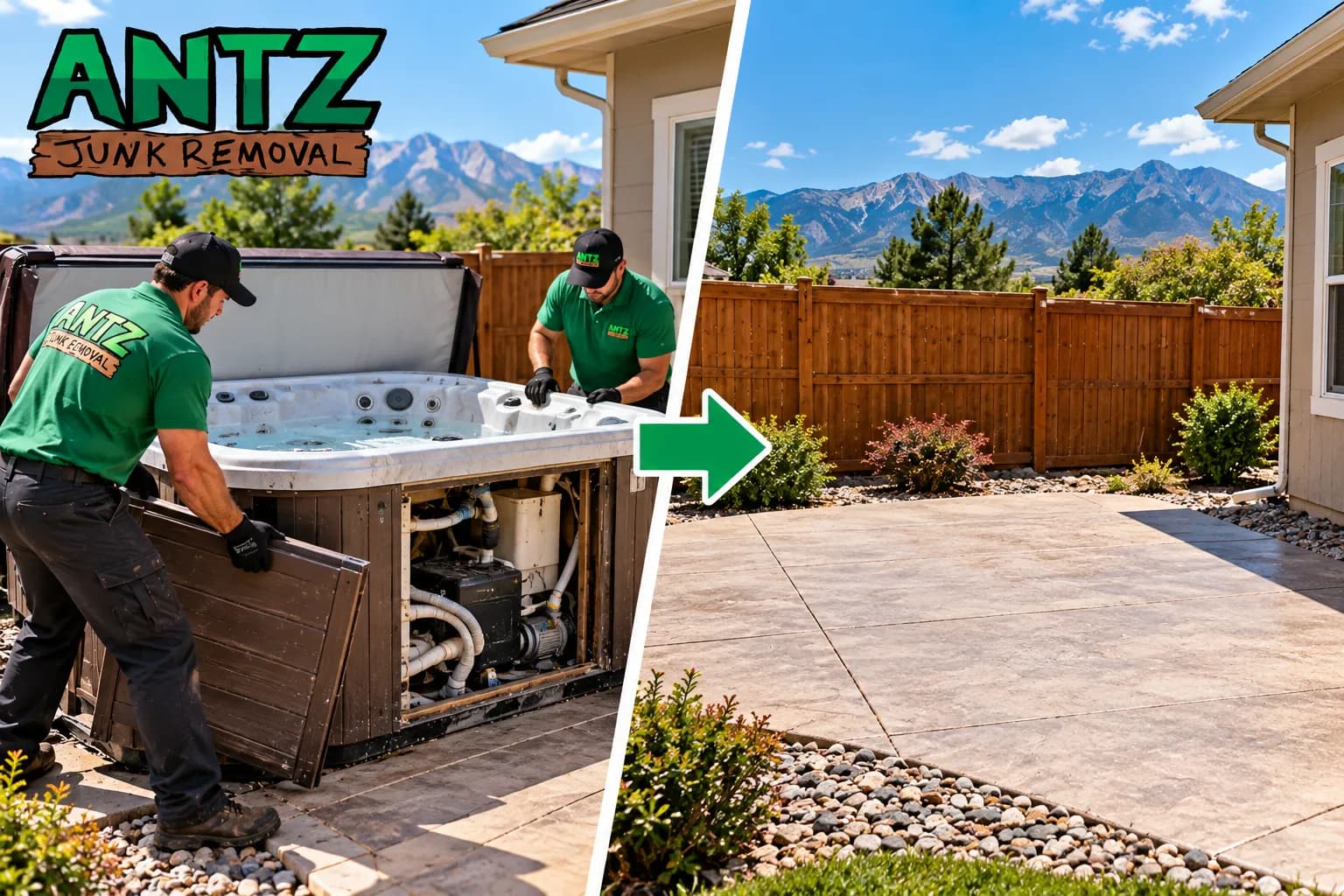
A hot tub removal service in Colorado Springs handles three jobs at once: draining the water correctly, disconnecting the power, and hauling the shell off your property. Most single spas come out in half a day once the water is gone.
This article walks through the process, from the first valve you open to the last piece that leaves your yard.
How Do You Remove a Hot Tub in Colorado Springs?
Removing a hot tub starts with draining the water slowly using a garden hose or sump pump before lifting.
A full 400-gallon spa weighs over 3,000 pounds with water inside.
Once empty, the shell is more manageable but still bulky.
Colorado Springs hot tub removal crews typically unbolt the cabinet skirting and disconnect electrical and plumbing lines.
The shell may need to be broken into sections that fit through a standard gate.
Skipping any step can damage fences and door frames.
Where Does Hot Tub Drain Water Actually Go?
Hot tub water should never be discharged into a street or storm drain. Before draining, check local requirements to determine whether a sanitary sewer connection or another approved disposal method is permitted. Chlorine and bromine levels common in spa water can harm aquatic life if they reach local waterways.
The EPA's guidance on discharging chemically treated water explains why storm drains are not an appropriate destination and discusses precautions for releasing treated water. If a dry landscaped area is being considered, confirm that local rules permit it and that the water will not reach storm drains or flow toward the home's foundation.
Turn Off Power Before You Touch Anything
Every hardwired spa needs its dedicated breaker shut off before disconnection work begins. Many Colorado Springs spas run on a 240-volt circuit protected by a GFCI breaker in the main panel.
The U.S. Consumer Product Safety Commission's electrical safety warning documents the risk of electrocution around swimming pools, hot tubs, and spas. Turn off the appropriate breaker before removal, and do not rely on the spa's control panel switch. Electrical disconnection should be handled by a qualified professional, and any panel work or damaged wiring should be referred to a licensed electrician.
DIY vs. Hiring a Hot Tub Removal Service
FactorDIY RemovalProfessional Hot Tub Removal ServiceTools neededReciprocating saw, dolly, and hand truckTools and equipment brought by the crewWeight handlingUsually requires multiple peopleCrew sized for the jobMaterial sortingOwner separates wood, foam, and metalMaterials can be sorted for recycling where facilities accept themTime on siteMay take a full weekendOften completed in several hours, depending on access and setupProperty damage riskHigher near gates and stairs without experienceCan be reduced by trained handling and careful planning
A cut-apart DIY job can save labor costs, but it adds risks around landscaping and fencing. A trained hot tub removal crew has the tools and experience to section a shell carefully, especially when working through a tight side yard.
Hot Tub Recycling Near Me: What Gets Reused
Many hot tubs contain materials that can be separated for recycling instead of sending the entire unit to a landfill. The outer cabinet may contain wood or composite panels, while the frame, pump housing, and internal wiring may contain recyclable metals. Acceptance depends on the material's condition and the requirements of the receiving facility.
The acrylic shell and foam insulation are often more difficult to recycle and may need to be disposed of as bulky waste. Anyone searching for hot tub recycling near me should ask the hauler which components are separated, where accepted materials go, and which parts must be discarded. Recycling options vary, so it is best to confirm the process before removal.
Hot Tub Haul Away Near Me: Step by Step
Drain the spa completely using an appropriate method approved for the property's drainage conditions.
Shut off the breaker and have a qualified person confirm the unit is de-energized.
Disconnect plumbing and any gas lines if the spa has a separate gas-powered heater.
Remove the cabinet panels to expose the frame and shell.
Cut the shell into sections small enough to clear gates and doorways, if necessary.
Sort materials into recyclable wood or metal and landfill-bound acrylic or foam, depending on local acceptance rules.
Load and haul the sections to suitable recycling facilities or an approved disposal site.
Where Old Hot Tub Removal Goes Wrong
The most common failure in old hot tub removal is not the cutting or hauling. It is underestimating the access path. Homeowners measure the spa but overlook the narrowest point between the yard and the street, sometimes discovering that the fence or another obstacle must be addressed before removal can proceed.
Draining directly into a storm grate is another mistake. The water may look harmless, but chemically treated spa water can affect waterways. Check local discharge requirements before draining and never assume that a nearby street drain is an acceptable option.
Colorado Springs also experiences sudden spring hailstorms. A spa left uncovered during a delay may be exposed to weather and debris before the crew returns to finish the job. Confirm the schedule and access arrangements in advance to reduce unnecessary delays.
Things to Weigh Before You Book Removal
Access Path Width
Measure gates, side yards, stairs, and other narrow points before scheduling. Share any tight turns or obstacles with the removal company so the crew can plan an appropriate route.
Full or Empty on Arrival
Draining the spa ahead of time may reduce the time required on site, but only do so after confirming the proper drainage method. Ask whether the company includes draining in its service.
Recyclable Components
Ask which materials will be separated for recycling and which will go to disposal facilities. Recycling depends on the material and what local facilities accept.
Timing Around Weather
Hail, snow, and wet ground can affect access and outdoor work. Discuss scheduling and any weather-related limitations before confirming the appointment.
Other Items on the Property
Bundling a spa with a shed cleanout or other large item removal services may reduce the need for a separate visit. Ask the company for a combined estimate if several bulky items need to be removed.
Answers to Questions Colorado Springs Homeowners Ask
People researching hot tub removal and disposal often have similar questions before booking. Here are several common concerns.
Do I Need to Drain the Hot Tub Myself Before a Crew Arrives?
Not always. Some removal companies can handle draining as part of the job. Confirm this before the appointment, particularly if the water needs a specific disposal method or the spa is difficult to access.
Can an Inflatable or Portable Spa Be Handled the Same Way?
Yes. Inflatable and portable spas are generally lighter and faster to remove because they do not have the same cabinet structure as a large hard-sided unit. However, the water still needs to be drained responsibly, and any electrical connection should be handled safely.
What Happens to the Water Once It's Drained?
The water must be directed to a permitted disposal location. Depending on local requirements, that may involve an approved sanitary sewer connection or another authorized method. Do not discharge chemically treated spa water into a street or storm drain.
Does the Crew Handle the Electrical Disconnection?
A removal crew may coordinate the removal process, but electrical work should be performed by a qualified professional. If the spa is hardwired, the circuit must be safely de-energized before disconnection. Repairs, damaged wiring, and electrical panel work should be handled by a licensed electrician.
Is Hot Tub Removal Available Outside Colorado Springs Proper?
Service availability depends on the company's coverage area. Antz Junk Removal serves Colorado Springs and surrounding communities. Check the Colorado Springs service area or contact the company to confirm availability for a specific address.
Can I Schedule Hot Tub Removal in Colorado Springs During Winter?
Yes, removal may be available year-round, depending on weather, ground conditions, access, and scheduling. Confirm the conditions with the removal company before booking.
Does Colorado Springs Require Special Disposal for an Old Hot Tub?
Disposal requirements depend on the materials involved and the receiving facility's rules. Ask the hauler where the components will go and check local requirements for any materials that may need special handling.
Can I Get Hot Tub Removal in Castle Rock?
Some removal companies serve Castle Rock and nearby Front Range communities. Confirm coverage for your address and ask whether travel or access affects the estimate.
Expert Advice for Homeowners
Hot tubs are generally easier to remove when the drainage plan and electrical arrangements are sorted out before the crew arrives. Measuring the exit path in advance can also help prevent property damage during removal, particularly when the spa sits in a tight backyard or behind a narrow gate.
Treat water disposal and electrical safety as steps that cannot be rushed. Once those details are addressed, the remaining work comes down to access, dismantling, material sorting, and hauling.
Expert Support for Your Removal Project
Antz Junk Removal provides hot tub removal in Colorado Springs, including dismantling and hauling. The team can assess the spa's size, location, and access conditions to help determine what the removal will involve. Recycling options depend on the materials and receiving facilities.
Contact Antz Junk Removal at 719-922-0428 or email info@antzjunkremoval.com to arrange a pickup or discuss your spa setup. Each job can be assessed according to the weight, location, and access involved.
Sources
U.S. Environmental Protection Agency — guidance on safely discharging chemically treated pool and spa water. The EPA resource is linked in the water-disposal section above.
U.S. Consumer Product Safety Commission — electrical safety warning for swimming pools, hot tubs, and spas. The CPSC resource is linked in the electrical-safety section above.
KOAA News — El Paso County hazardous waste disposal information. Check the current facility rules before bringing any material to a disposal site.